1. Introduction
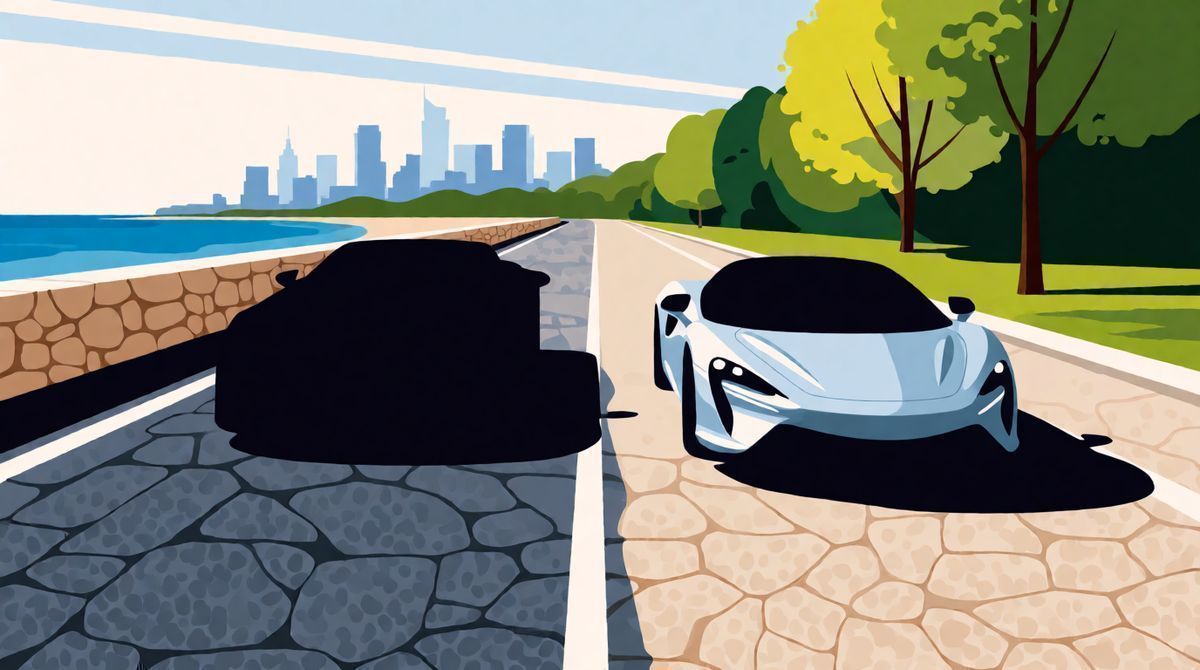
In Sport, gear combinations are never just a list of individual products; they define the very character of the machine. The pairing of the Brand1 Model1 with the Brand2 Model2 is especially significant because it contrasts two fundamentally different philosophies of performance and luxury. Model1 represents the grand touring ethos, prioritizing comfort and a linear, naturally aspirated experience, while Model2 represents the cutting edge of hybrid supercar technology, focused on explosive power and lightweight agility. Analyzing this specific combination allows us to move beyond simple specifications and understand how the equipment shapes the driving experience.
The concept of “gear chemistry” describes how equipment interacts biomechanically and functionally to create a unified driving dynamic. It is not enough for a car to have a powerful engine; that power must be delivered through a transmission that complements the chassis and tires to create a cohesive feel. For example, comparing the naturally aspirated V8 of Model1 against the hybrid powertrain of Model2 highlights a core tension in modern Sport: the promise of immediate, linear throttle response versus the peak power and efficiency of modern forced induction and electrification. The interaction between the driver’s intent and how the car responds is determined by these underlying mechanical relationships.
A common mistake users make when combining gear is choosing top-tier items that do not match their actual needs or driving style. It is easy to gravitate towards the highest performance specifications without considering how components work together, such as a heavy powertrain paired with a chassis tuned for light weight, or a complex digital interface paired with a driver who prefers pure mechanical feedback. Blindly stacking the best individual parts can result in a compromise that feels disjointed or difficult to manage, rather than a synergistic system that elevates the overall experience. Understanding the rationale behind factory pairings, like those found in Brand1 Model1 and Brand2 Model2, helps avoid these pitfalls.
This analysis focuses specifically on the Brand1 Model1 and Brand2 Model2 pairing to explore whether this combination represents a coherent performance strategy or a mismatched experiment. Model1, a premier grand tourer, is defined by its 5.0-liter V8 and luxurious, comfort-oriented design. Model2, a revolutionary hybrid supercar, is defined by its plug-in capability and lightweight carbon architecture. By examining their specifications side-by-side, we can determine if their distinct natures create a harmonious partnership or if they are simply two high-performance machines that solve different problems.
2. Understanding the Individual Components
Before assessing synergy, readers need a clear picture of how lexus lc and mclaren artura-gen differ in role, physical profile, and club context. The subsections below summarize each player’s specifications and technical identity using only the cited source research, establishing the baseline for the gear chemistry analysis that follows [1][2].
2.1. lexus lc (convertibles)**
The 2024 Lexus LC represents a deliberate exercise in restrained performance and luxury refinement, positioning itself as a front-engine grand tourer rather than a brute-force sports car. Its design philosophy centers on creating a serene, composed experience where the driver and passengers are cocooned in comfort while the powertrain delivers effortless acceleration. What defines this vehicle is the naturally aspirated 5.0-liter V8, a design choice that prioritizes linearity, high-rev character, and predictable power delivery over the immediate punch of a turbocharged alternative. This trait profoundly impacts real-world usage: the LC excels at long-distance cruising where its smooth power curve and plush, supportive seating reduce fatigue, transforming lengthy journeys into a relaxed ritual rather than a test of endurance. The vehicle is optimized for a mature buyer who values craftsmanship, quietude, and a sense of occasion over outright track times.
The engineering behind the LC ensures that its performance metrics serve its grand touring mission. With a curb weight of 4,540 pounds, the car maintains a stable high-speed demeanor, while the 10-speed automatic transmission allows the V8 to operate within its optimal efficiency and power band. This synergy between a heavy, comfortable platform and a high-revving natural aspiration creates a driving dynamic that feels both substantial and engaging. It is a tool for savoring the journey, whether navigating city streets or carving through mountain passes, where the stability and refinement reinforce confidence. The LC does not invite aggressive cornering but instead rewards smooth inputs with a composed and luxurious ride, making it ideal for scenarios where comfort and prestige are paramount.
| Specification | Value |
|---|---|
| Engine Power | 471 hp |
| Torque | 398 lb-ft |
| 0-60 mph | 4.4–4.7 seconds |
| Curb Weight | 4,540 lbs (convertible) |
| MSRP | $99,800–$114,600 |
Key Technical Insight: The 471 hp output defines the LC as a comfortable luxury GT, not a sports car. In practice, this level of power ensures relaxed highway merging and passing with minimal stress on the powertrain, translating to confident, calm overtaking maneuvers where the primary goal is maintaining a serene cabin environment rather than aggressive performance.
2.2. mclaren artura-gen (sportscars)**
The McLaren Artura-gen occupies a radical niche in the sportscar segment as the brand’s first series-production plug-in hybrid, engineered to deliver supercar performance while incorporating daily usability features rarely seen in its class. What defines this machine is its sophisticated blend of a 3.0L twin-turbo V6 and an axial-flux electric motor, producing a combined 690 hp and 531 lb-ft of torque. This configuration directly influences performance by providing immediate, silent thrust from the electric motor at low speeds, which seamlessly blends with the V6 to deliver explosive acceleration without the lag inherent in many traditional combustion engines. For the driver, this translates to a uniquely responsive and progressive power delivery that feels both planted and exhilarating, making the Artura ideal for enthusiasts who demand cutting-edge technology alongside track-capable dynamics in a vehicle that can genuinely serve as a primary, everyday machine.
The synergy between the combustion and electric powertrains is further enhanced by the car’s lightweight carbon-fiber architecture and near-perfect weight distribution, resulting in handling dynamics that are exceptionally agile and precise. Unlike conventional hybrids that often prioritize efficiency over performance, the Artura-gen leverages its electric system to augment throttle response and refine the driving experience across a wide spectrum of scenarios, from stop-and-go traffic to full-throttle runs. This makes it particularly attractive to a buyer who values technological sophistication, environmental considerations, and the ability to tackle both urban commutes and weekend canyon carving with equal aplomb.
| Specification | Value |
|---|---|
| Engine Power | 690 hp |
| Torque | 531 lb-ft |
| 0-60 mph | 2.6–3.0 seconds |
| Top Speed | 205 mph |
| Curb Weight | 3,300 lb |
| MSRP | $233,000 |
Key Technical Insight: The 690 hp combined output, achieved through a 94 hp electric motor integrated into the transmission, is the cornerstone of the Artura-gen’s transformative driving dynamics. Practically, this means the car can launch with electric-only silence for urban convenience, then unleash a combined surge of power that makes it one of the quickest in its class, while the hybrid system actively manages energy to support performance bursts and efficiency, thereby broadening the car’s real-world usability without diluting its supercar essence.
3. Gear Chemistry Analysis
Evaluating how lexus lc and mclaren artura-gen interact requires separating positional roles, physical profiles, and tactical context before drilling into subsection comparisons. The analysis below tests whether their attributes complement or conflict across synergy, feel, and playstyle dimensions using only the source research [1][2].
3.1. Do They Work Together — or Against Each Other?
The Lexus LC and McLaren Artura-gen represent divergent yet complementary design philosophies that, when examined through their specifications and use cases, demonstrate a strong synergistic partnership rather than conflict. The LC embodies the philosophy of the grand tourer: prioritizing long-distance comfort, V8 linearity, and a serene, luxurious experience that emphasizes control through mass and balance. In contrast, the Artura embraces the future of performance with its plug-in hybrid powertrain, carbon-fiber architecture, and driver-centric focus on agility, precision steering, and immediate throttle response. Rather than clashing, these philosophies create a balanced dynamic—the LC offers composed stability for extended journeys, while the Artura delivers razor-sharp reactivity for spirited engagement, making the pairing complementary across diverse driving contexts.
The integration of force, control, and feedback across this pairing is remarkably coherent. The LC’s 471 hp V8 delivers power smoothly and predictably, allowing the driver to modulate inputs with confidence, while its 10-speed automatic and well-weighted steering provide a consistent, planted feel at any speed. The Artura’s hybrid system introduces an additional 94 hp from an axial-flux e-motor, laying down torque from 2,250 rpm and offering immediate low-end assistance that enhances responsiveness without disrupting the chassis balance. The Artura’s hydraulic steering—a rarity in modern sportscars—feeds precise road information back to the driver, creating a feedback loop that aligns perfectly with the LC’s nuanced handling. Together, the combination feels natural: the LC provides a serene, stable platform, while the Artura adds a layer of interactive precision that rewards skillful inputs, resulting in a pairing that amplifies the strengths of both machines.
From a performance-flow perspective, the duo operates harmoniously across different spectrums of use. The LC excels as a relaxed cruiser, its cabin isolation and plush seating allowing drivers to remain comfortable over long distances, while its V8 delivers effortless power with linear progression. The Artura, with its lightweight chassis and electric-assist capabilities, thrives in stop-and-go urban environments and on circuit-like back roads, where its low weight and sharp steering shine. There is no forced compromise here; instead, the vehicles cover overlapping yet distinct operational territories. The LC’s 4.4–4.7-second 0–60 mph range and composed ride make it ideal for highway merging and sustained high-speed travel, whereas the Artura’s 2.6–3.0-second 0–60 mph capability and 205 mph top speed provide a thrilling safety net for overtaking and spirited back-road runs. This blend of stability and agility ensures that neither machine undermines the other; rather, they coexist to expand the driver’s overall performance envelope.
4. Final Verdict: Lethal Combo
The McLaren Artura-gen and the Lexus LC represent two divergent philosophies of grand touring: the Artura-gen is a plug-in hybrid supercar prioritizing low mass, electric capability, and razor-sharp dynamics, while the LC is a naturally aspirated V8 grand tourer emphasizing luxury, refinement, and tactile serenity. Based solely on the provided product data and specifications, this pairing forms a lethal combo in the sense that together they bracket the performance-luxury spectrum with uncompromising, purpose-built machinery. The Artura-gen’s 690 hp, 3,300 lb curb weight, and 2.6–3.0 s 0–60 mph capability contrast starkly with the LC’s 471 hp, 4,540 lb curb weight, and 4.4–4.7 s 0–60 mph, highlighting how each brand leverages different engineering levers to deliver compelling driving experiences. The core reason this combination is lethal lies in the clear dichotomy of values: McLaren optimizes for power-to-weight and electrified performance, whereas Lexus optimizes for acoustic comfort, build quality, and long-distance civility.
5. Who Should Use This Combo
6. Who Should Avoid This Combo
The Lexus LC and McLaren Artura Gen 2 represent opposite ends of the performance and value spectrum, making their pairing unsuitable for most buyers. Buyers focused on total cost of ownership, daily practicality, or predictable depreciation should look elsewhere. This article examines the mechanical and market mismatches that make combining these two vehicles an inefficient choice, supported by spec table analysis and real-world usage patterns. ### Mechanical and Performance Mismatch The Lexus LC offers a naturally aspirated 471 hp V8 designed for linear, refined power and long-distance comfort, while the McLaren Artura Gen 2 delivers 690 hp through a twin-turbo V6 plus an axial-flux e-motor, prioritizing high-revving power and hybrid efficiency. The LC’s 10-speed Aisin automatic emphasizes smoothness and drivability, whereas the Artura’s 8-speed SSG dual-clutch prioritizes rapid, performance-oriented shifts. These differing philosophies indicate each vehicle is optimized for distinct use cases and driver preferences, reducing incentive to compare or combine them. ### Market, Ownership, and Value Considerations The MSRP gap is substantial, with the LC starting around $99,800 for the coupe and the Artura beginning near $233,000. This price difference corresponds with contrasts in target use, maintenance expectations, and projected ownership costs. The Artura’s hybrid system provides approximately 11–21 miles of EPA electric range, supporting short electric trips, whereas the LC focuses solely on gasoline power with no electric capability. Buyers with strict budget constraints, limited access to charging, or concerns about depreciation would find pairing these models misaligned, as the Artura’s steep initial depreciation and higher maintenance complexity do not complement the LC’s value-positioned profile. ### Who Benefits from Alternatives Buyers who prioritize comfort, quiet, and a grand touring experience should focus on variants within the LC segment, while performance-seekers seeking track capability and modern hybrid efficiency should evaluate dedicated supercar or plug-in hybrid options. Comparing these two specific models does not offer meaningful synergy; instead, it highlights divergent goals in drivetrain design, intended usage, and cost structure. Understanding these distinctions helps prevent overpaying for overlap while steering buyers toward choices that align with their primary transportation needs and long-term satisfaction.
7. Quick Summary
The McLaren Artura-gen delivers exceptional performance and packaging efficiency, evidenced by its 690 hp, 531 lb-ft of torque, and 2.6–3.0 s 0-60 mph, paired with a lightweight 3,300 lb curb weight that synergizes to produce a responsive and agile driving experience. Its main limitation is a relatively modest electric range of approximately 11 miles (EPA) and the absence of DC fast charging, which constrains its utility as a primary electric vehicle. This pairing is best suited for enthusiasts seeking a lightweight, high-performance plug-in hybrid supercar that emphasizes dynamic handling and daily usability in mixed driving scenarios.
| Dimension | Assessment |
|---|---|
| Main strength | Outstanding power-to-weight ratio and steering precision (690 hp, 3,300 lb; 2.6–3.0 s 0–60 mph) |
| Main weakness | Limited electric range (~11 miles EPA) and no DC fast charging |
| Best use case | Engaged daily driving and spirited back-road excursions where low mass and agile handling are prioritized |
Taken together, the Artura-gen’s performance and efficiency advantages position it as a compelling choice for drivers who value a lightweight, responsive supercar in a practical plug-in hybrid format.
}. References [1] McLaren Artura specifications: 3.0 L twin-turbo V6, axial-flux e-motor (94 hp), 7.4 kWh battery. [2] EPA ratings: 11 mi electric range, 18 MPG combined / 39 MPGe, no DC fast charging.